Never Alone Home Care Services, Inc.
Supporting People
Aging in Recovery™
Helping older adults protect their recovery, dignity, independence, and connection as health, mobility, and daily life change.
A 501(c)(3) nonprofit organization developing recovery-aware supports
for older adults aging in recovery.
Why NAHCS Exists
Aging Should Not Put Recovery at Risk
People in recovery from substance use disorders are living longer.
Many have rebuilt their lives across years or decades, yet aging can
bring new challenges: chronic illness, reduced mobility, grief,
isolation, caregiver strain, and difficulty maintaining the routines
and relationships that support recovery.
Never Alone Home Care Services, Inc. was created by people who
understand that reality through lived experience and professional
service.
There is a difference between help that is available and help that
understands recovery. NAHCS is working to close that gap.
Aging does not erase recovery. Illness does not undo it. Needing help does not diminish it.
Who We Serve
Support for a Stage of Recovery Few Systems Recognize
Older Adults Aging in Recovery
NAHCS focuses on older adults who are:
- Aging after years of substance use and sustained recovery
- Living with illness, disability, or reduced mobility
- Homebound or increasingly isolated from recovery supports
-
Returning home after hospitalization, rehabilitation, or
institutional care -
Finding it harder to maintain the routines and connections that
support stability
Families and Caregivers
Families and caregivers often manage appointments, transportation, household needs, emotional support, and recovery-related concerns without enough training, backup, or relief.
Supporting caregivers protects everyone involved. Asking for help is not failure; it is an act of responsibility and care.
Our Work
Building Recovery-Aware Support for Aging in Place
NAHCS is developing a recovery-aware model designed to help older adults remain safe, connected, and supported in their homes and communities.
Navigation
Health, benefits, and service navigation for older adults and
families.
Coordination
Care coordination and connection to appropriately qualified
providers.
Connection
Support maintaining appointments, routines, recovery supports, and
community connection.
Transitions
Recovery-aware assistance during transitions home from hospitals
or facilities.
Training
Education and workforce preparation for home care and
long-term-care organizations.
Program Development
Practical resources for agencies serving older adults in recovery.
When medical or licensed care is required, services must be delivered
through appropriately licensed professionals and organizations in
accordance with applicable law.
support should be too.
Privacy, Dignity & Multiple Pathways
Recovery-Aware Does Not Mean Intrusive
NAHCS respects privacy, anonymity, personal history, and individual
recovery pathways.
- No public disclosure
- No required fellowship or program affiliation
- No pressure to explain one’s past
- No assumption that one pathway works for everyone
- No judgment for needing help
Support should be quiet, respectful, professionally bounded, and
centered on the person receiving it.
What Older Adults Told Us
The Need Is Already Visible
NAHCS conducted an Aging in Recovery needs survey in 2026.
Approximately 212 people responded, providing early evidence that
many people in long-term recovery anticipate or already need
practical assistance.
Response totals varied by question. These findings describe the survey
participants and should not be treated as population-wide estimates.
Research, Publications & Training
Advancing an Emerging Field
People aging in recovery remain underrecognized in aging services,
home care, long-term care, workforce education, research, and public
policy. NAHCS is developing publications and practical tools to help
change that.
Recovery-Informed Aging in Place
A program development and implementation guide.
Recovery-Centric Aging in Place
A training guide for recovery-aware organizations and staff.
Aging in Recovery
White paper, analysis, articles, and emerging scholarship.
ARRM
A developing Seven-Pillar framework for recovery-informed
residential care.
Founder
Founded Through Lived Experience and Professional Service
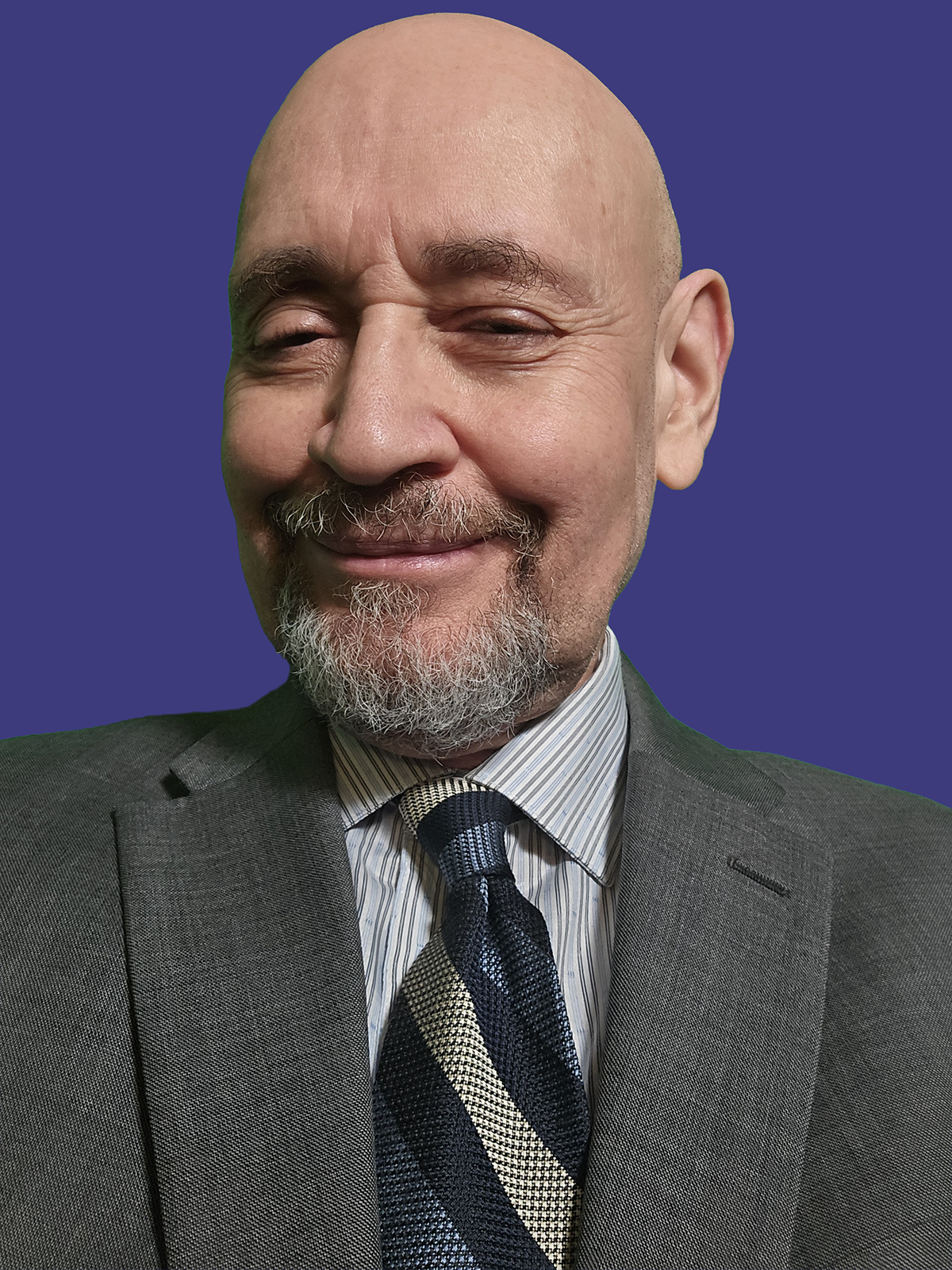
Gilberto “Gil” Cintron, LMSW
Founder and President
Gil Cintron is a social worker, nonprofit leader, and person in
long-term recovery who is himself aging in recovery. His experience
spans community development, human services, addiction-related work,
public housing initiatives, and nonprofit leadership.
He founded NAHCS after seeing peers with decades of recovery become
increasingly vulnerable when illness, isolation, reduced mobility,
and the loss of familiar routines weakened their support systems.
Service is a responsibility, not a status.
NAHCS was developed with the early support of medical professionals
Aisha Hakim McCartey, RN, BSN, PHN, CASAC, and Larry Butler, LPN,
CASAC.
Support the Work
Help Build a Recovery-Informed Continuum of Care
NAHCS is building resources, partnerships, training, and service models for a population that aging and recovery systems have too often failed to see.
If you are in recovery, you may not need this support today. But if you are blessed to grow older, you too may one day be aging in recovery.
Your support can help advance:
- Recovery-aware aging-in-place services
- Training for home care and long-term-care organizations
- Research, publications, and public education
- Partnerships and future program development
Contact
Let’s Talk
Are you aging in recovery, supporting a family member, working in
aging or recovery services, or interested in partnership, training,
research, or program development?
We welcome respectful inquiries and conversations about this emerging
work.
Information shared with NAHCS is used only to respond to the inquiry
and is handled with respect for privacy.